Charming metropolis
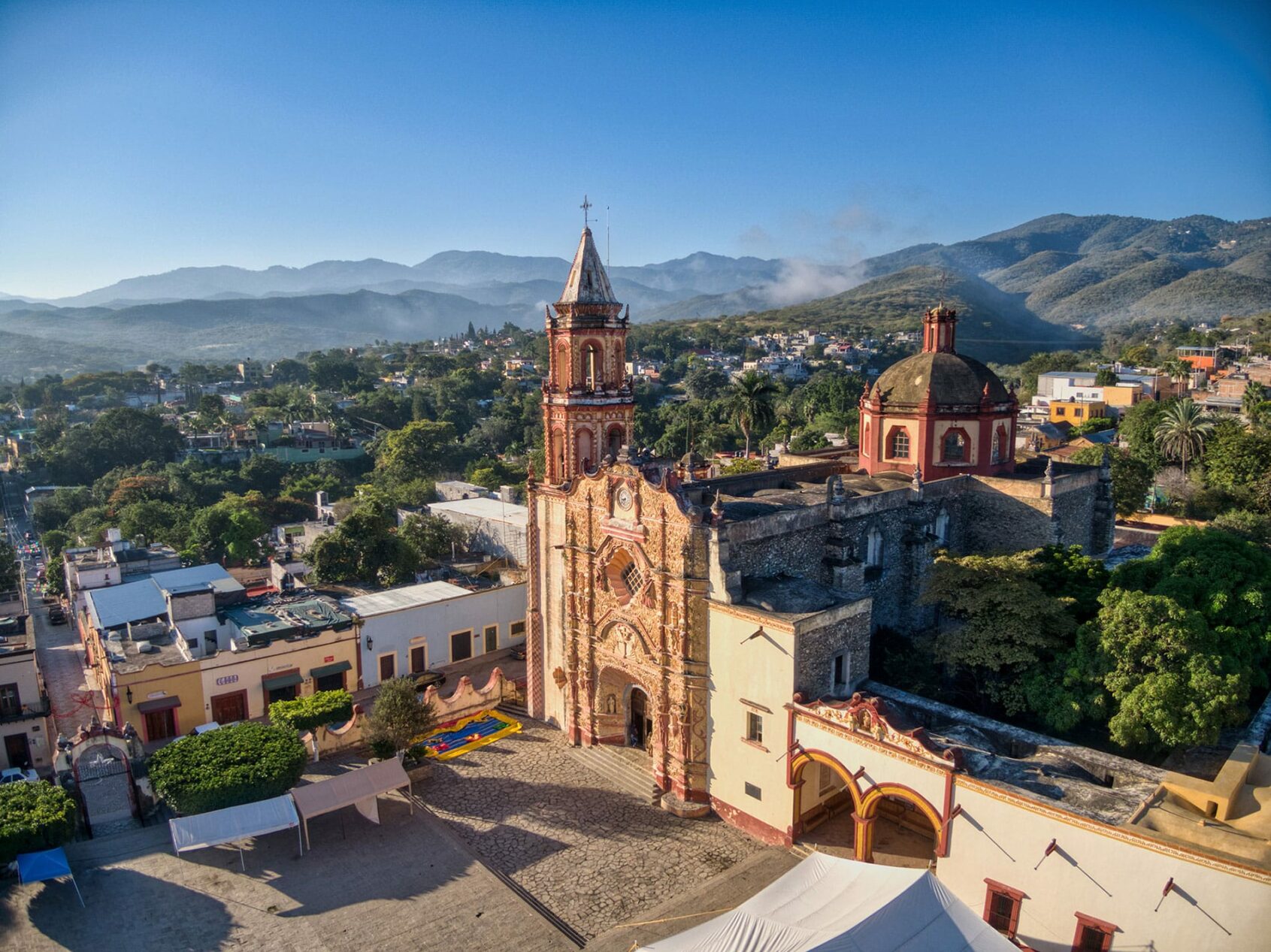
The municipality of Corregidora, just fifteen minutes from the Historic Center of the capital city, is full of history, traditions, culture and flavors that make the Creative Metropolis an endearing destination.
Visit El Pueblito during its main festivals, at the beginning of February in honor of the patron saint of the site. Renew your energy at the spring equinox at the Pyramid of the Pueblito and get to know its archaeological site. Follow the Adoration Route from the Schoenstatt Shrine to the Shrine of Our Lady of the Little Town. And make your palate happy with its traditional gastronomy.
Although Corregidora is part of the metropolitan area of the City of Querétaro, it is possible to observe the classic semi-desert landscapes of the state: among the roads, the industries and the roads full of cacti and mesquites, you will find "El Batán", a small natural area protected as an ecological reserve where family activities such as picnics, picnics, picnics, picnics, picnics, hiking or mountain biking.
A taste of the holidays
It is known that if there is a party, there is food, so the most typical dish of Corregidora has to do with its most representative festival, the Paseo del Buey, in which the animal is sacrificed and cooked in a broth that is distributed to all the neighbors the next day and is accompanied by sealed ceremonial tortillas or hoof or water bread. It is a tradition that has been commemorated for more than 280 years.
Other gastronomic offerings that have to do with the February Festivities, such as ox tongue tamales, also known as chanclas, which are fried and crushed tamales that have been made in El Pueblito for 60 years; or the reduced sweet potatoes prepared with piloncillo by artisans for more than 100 years.

A taste of the holidays
It is known that if there is a party, there is food, so the most typical dish of Corregidora has to do with its most representative festival, the Paseo del Buey, in which the animal is sacrificed and cooked in a broth that is distributed to all the neighbors the next day and is accompanied by sealed ceremonial tortillas or hoof or water bread. It is a tradition that has been commemorated for more than 280 years.
Other gastronomic offerings that have to do with the February Festivities, such as ox tongue tamales, also known as chanclas, which are fried and crushed tamales that have been made in El Pueblito for 60 years; or the reduced sweet potatoes prepared with piloncillo by artisans for more than 100 years.
In addition to typical sweets, the artisan hands of Corregidora make the Pueblito doll, dressed in the typical costume that represents the indigenous people of the region, with which they attend the dances in celebration of the Virgen del Pueblito. They also make a variety of handicrafts with leather, embroidery and wood carvings with materials taken advantage of the special geography of the municipality.
In addition to typical sweets, the artisan hands of Corregidora make the Pueblito doll, dressed in the typical costume that represents the indigenous people of the region, with which they attend the dances in celebration of the Virgen del Pueblito. They also make a variety of handicrafts with leather, embroidery and wood carvings with materials taken advantage of the special geography of the municipality.
A pyramid in the middle of the city
The archaeological zone of El Cerrito is a pre-Hispanic settlement whose name comes from its resemblance to a small hill. It was occupied more than 1500 years ago by different cultures, such as the Toltec, Chichimeca, Tarascan and Otomi in the Postclassic.
We have in Querétaro the largest pyramid in the Bajío de México, the Gran Cué, at 30 meters high. It is surrounded by the Plaza de las Danzas, the Plaza de las Esculturas, the Altar of Skulls, and the Palace of the 4 Altars.
To complement your visit you will also find the Site Museum, where 125 archaeological pieces, traditional altars and an exhibition on the construction of the space are exhibited so that you can discover the history of the pyramid, the origin of the Toltec peoples and the consecration of buildings.
In El Pueblito, you can stop by several museums such as the Casa de las Artesanías, the Anbanica Museum of History, which exhibits the historical treasures of the Villa del Pueblito in the Municipal Palace, and the Rubén González López Community Museum "Art, tradition and faith", belonging to the homonymous sculptor, specialized in satirical caricatures carved in wood.
The Route of Worship
Historically, El Pueblito developed particularities that gave it a strong and very interesting local culture, among these, the devotion to the Virgin of the Pueblito, who has been honored for more than 300 years during the February Festivities, such as the Paseo del Buey, the Day of the Broth, the blessing of the "Parande and the Collation", and the Battle and Death of the Moor and the Soldier for the anniversary of the sanctuary.
You can also visit other religious sites in the municipality such as the San Francisco Galileo Parish in the Main Garden, and the Schoenstatt Shrine in Los Olvera, which together with the Pyramid of El Cerrito, make up the Adoration Route.
Don't miss the opportunity to find out more about the culture and history of Corregidora, undoubtedly an essential walk to get out of the routine and get to know in depth everything that the Creative Metropolis has waiting for you.
Do you already know the Hotel Mexico Plaza Querétaro? Stay in a place with all the amenities, ideal for rest and work, with a privileged location in the capital of Querétaro. Find out about their offer and booking.
Travel back in time and learn about the history of Querétaro. Hop on one of the Stagecoaches and tour some of the most emblematic places in the city, enjoy a ride that will make you feel like you are in another era.
Incredible cabins with pools, perfect for vacationing with the family and enjoying hot days to the fullest.